
Marin Mini Car Service
We have comprehensive mechanical and electrical expertise related to all aspects of the Mini Cooper. Our practical working knowledge spans new, classic, and vintage models. Our mechanics have specialist training and equipment to diagnose, repair, restore and maintain these vehicles. We have decades of hands-on knowledge with Minis.
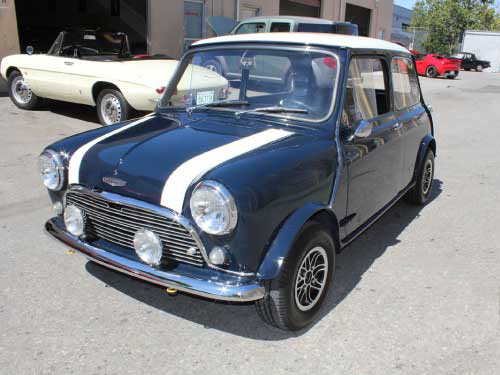
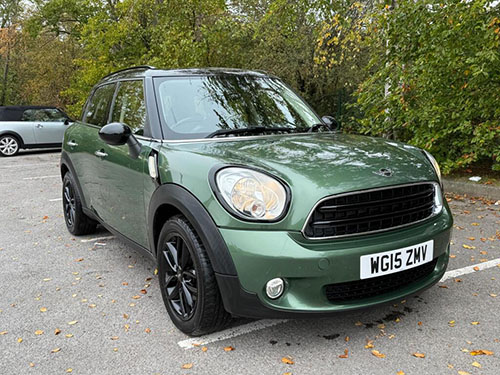
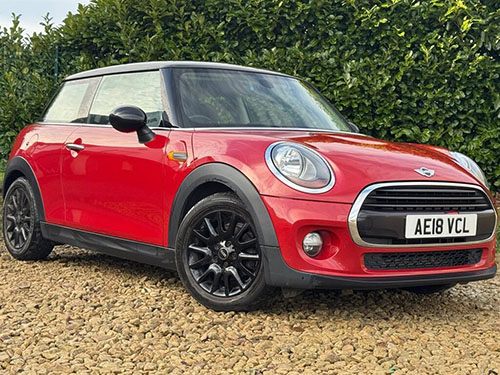
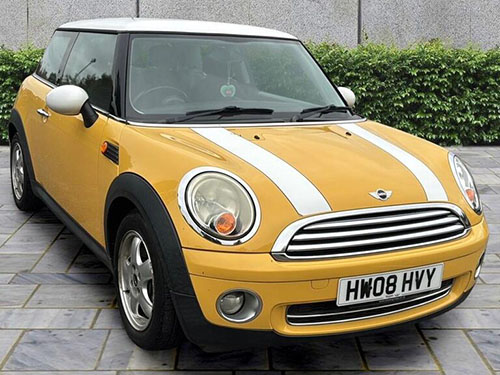
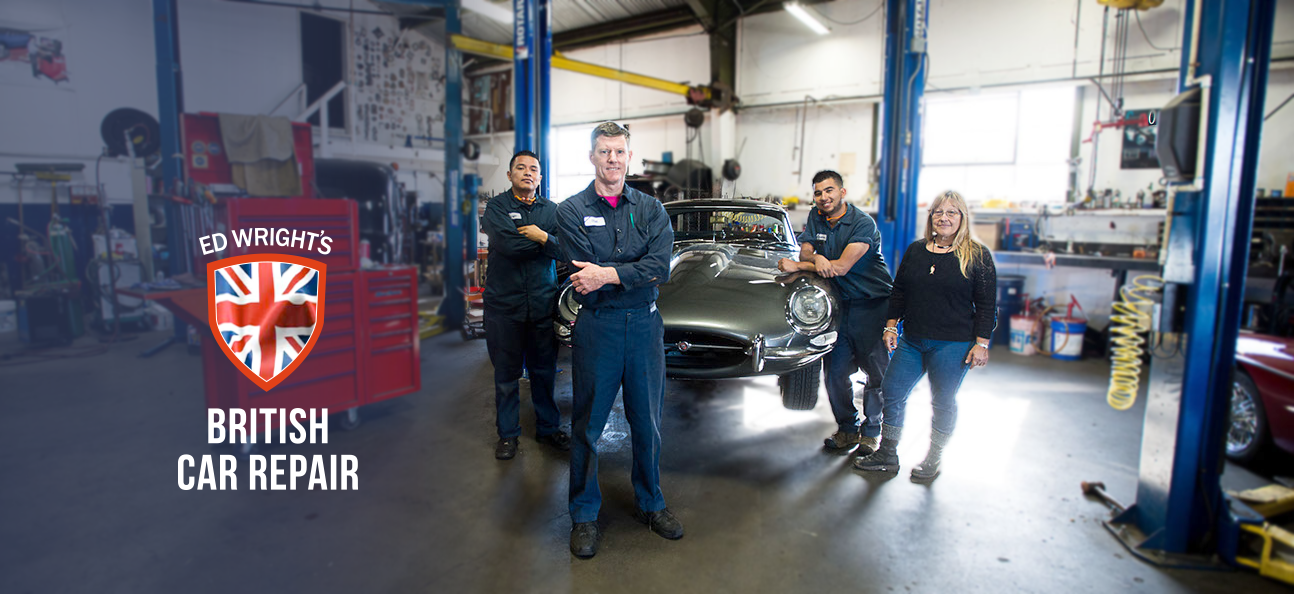
When Ed Wright established British Motor Mechanics in San Francisco the year was 1960. In 1972, the shop was moved to San Rafael, and renamed British Car Repair. We have been busy maintaining and repairing English cars for nearly 50 years. Clint, grew up locally, attended Stanford University and then returned to run the business. As a second generation family business we have developed close ties with customers and the community and continue to provide the best service possible.
We look forward to meeting you, discussing your car and as always, supplying a written cost estimate for services in advance. We enjoy complete classic car restoration projects. Please ask us for a tour of some of our recent projects.
We look forward to meeting you, discussing your car and as always, supplying a written cost estimate for services in advance. We enjoy complete classic car restoration projects. Please ask us for a tour of some of our recent projects.
Questions about Mini Cooper Service
MINI Cooper - high performance, small package
Mini
Countryman, Convertible, Clubman
Manufactured from 1951 - today
Range of the most durable, reliable and all round best economy minded vehicles ever made. A global British car brand, owned and operated by BMW.
MINI Hatch / Hardtop (3-door and 5-door)
The core, iconic hatchback model, available across all generations since the relaunch (R50/R53, R56, F56, F66).
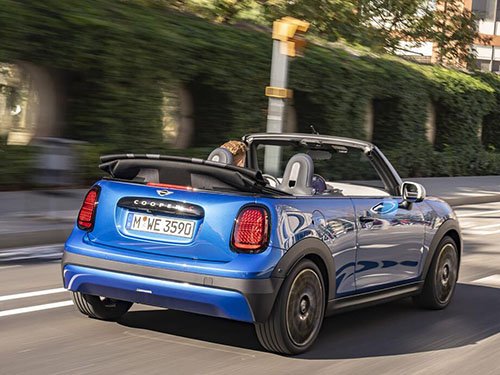
MINI Convertible: The soft-top, open-air driving option (R52, R57, F57, F67).
MINI Clubman: A longer estate model, initially with a unique single rear "Clubdoor" on one side and rear barn doors, later evolving into a more conventional four-door with barn doors at the rear (R55, F54).
MINI Countryman: The brand's first crossover SUV model, available with optional all-wheel drive (ALL4) (R60, F60, U25).
MINI Coupé: A two-door, two-seater sports model with a lower roofline and an active rear spoiler (R58).
MINI Roadster: The convertible version of the Coupé, a pure two-seater with a soft top (R59).
MINI Paceman: A sportier, coupé-like version of the Countryman, featuring a two-door layout (R61).
John Cooper Works (JCW) specifications, featuring powerful engines and sporty enhancements.
Electric Models: The MINI Electric (initially based on the F56 hatch) and the newer, dedicated electric vehicle platform models like the MINI Cooper E/SE and MINI Countryman Electric.
COMMON ISSUES
Timing Chain Problems/ "Death Rattle":
Particularly notorious in the second-generation (R56, 2007-2013) Cooper S models with the N14 engine. A failing or stretched timing chain can cause a rattling noise (often called the "death rattle") on a cold start and lead to significant engine damage if not addressed promptly.
Oil Leaks and Consumption: Various leaks are common, especially from the valve cover gasket, oil filter housing, and oil pan gaskets. Some models also have a high rate of oil consumption, requiring owners to check and top up the oil level frequently.
Carbon Buildup: Direct-injection engines, used in most modern Minis from 2007 onwards, are prone to carbon deposits building up on the intake valves, leading to rough idling, loss of power, and decreased fuel efficiency. Regular walnut blasting is often needed to clean the valves.
Turbocharger Issues: Cooper S and JCW models with turbochargers can experience problems like wastegate rattles, oil feed pipe leaks, or outright turbo failure if not properly maintained.
Cooling System IssuesWater Pump and Thermostat Housing Leaks: The plastic components of the water pump and thermostat housing are prone to cracking and leaking over time due to heat cycles. This can lead to engine overheating and costly damage if ignored.
Cooling Fan Failure: The electric cooling fan can fail, which contributes to overheating issues, including power steering pump failure in older models.
Drivetrain & SteeringPower Steering Pump Failure: A widespread issue in first-generation models (2002-2006), often resulting in a complete loss of power steering assistance. A recall was issued for this problem.
Transmission Problems: The Continuously Variable Transmission (CVT) in early automatic models (pre-2006) was particularly problematic and known for premature failure. Later automatic and manual transmissions have had fewer widespread issues, though clutch wear can be high, especially on performance models driven in city traffic.
Electrical & SuspensionElectrical Gremlins: Issues with electrical components like the footwell module (FRM), central locking systems, window regulators, and various sensors are commonly reported.
Suspension Wear: The sporty "go-kart" handling can lead to premature wear of suspension components such as control arm bushings and struts, especially when paired with stiff run-flat tires.
The core, iconic hatchback model, available across all generations since the relaunch (R50/R53, R56, F56, F66).
MINI Convertible: The soft-top, open-air driving option (R52, R57, F57, F67).
MINI Clubman: A longer estate model, initially with a unique single rear "Clubdoor" on one side and rear barn doors, later evolving into a more conventional four-door with barn doors at the rear (R55, F54).
MINI Countryman: The brand's first crossover SUV model, available with optional all-wheel drive (ALL4) (R60, F60, U25).
MINI Coupé: A two-door, two-seater sports model with a lower roofline and an active rear spoiler (R58).
MINI Roadster: The convertible version of the Coupé, a pure two-seater with a soft top (R59).
MINI Paceman: A sportier, coupé-like version of the Countryman, featuring a two-door layout (R61).
John Cooper Works (JCW) specifications, featuring powerful engines and sporty enhancements.
Electric Models: The MINI Electric (initially based on the F56 hatch) and the newer, dedicated electric vehicle platform models like the MINI Cooper E/SE and MINI Countryman Electric.
COMMON ISSUES
Timing Chain Problems/ "Death Rattle":
Particularly notorious in the second-generation (R56, 2007-2013) Cooper S models with the N14 engine. A failing or stretched timing chain can cause a rattling noise (often called the "death rattle") on a cold start and lead to significant engine damage if not addressed promptly.
Oil Leaks and Consumption: Various leaks are common, especially from the valve cover gasket, oil filter housing, and oil pan gaskets. Some models also have a high rate of oil consumption, requiring owners to check and top up the oil level frequently.
Carbon Buildup: Direct-injection engines, used in most modern Minis from 2007 onwards, are prone to carbon deposits building up on the intake valves, leading to rough idling, loss of power, and decreased fuel efficiency. Regular walnut blasting is often needed to clean the valves.
Turbocharger Issues: Cooper S and JCW models with turbochargers can experience problems like wastegate rattles, oil feed pipe leaks, or outright turbo failure if not properly maintained.
Cooling System IssuesWater Pump and Thermostat Housing Leaks: The plastic components of the water pump and thermostat housing are prone to cracking and leaking over time due to heat cycles. This can lead to engine overheating and costly damage if ignored.
Cooling Fan Failure: The electric cooling fan can fail, which contributes to overheating issues, including power steering pump failure in older models.
Drivetrain & SteeringPower Steering Pump Failure: A widespread issue in first-generation models (2002-2006), often resulting in a complete loss of power steering assistance. A recall was issued for this problem.
Transmission Problems: The Continuously Variable Transmission (CVT) in early automatic models (pre-2006) was particularly problematic and known for premature failure. Later automatic and manual transmissions have had fewer widespread issues, though clutch wear can be high, especially on performance models driven in city traffic.
Electrical & SuspensionElectrical Gremlins: Issues with electrical components like the footwell module (FRM), central locking systems, window regulators, and various sensors are commonly reported.
Suspension Wear: The sporty "go-kart" handling can lead to premature wear of suspension components such as control arm bushings and struts, especially when paired with stiff run-flat tires.
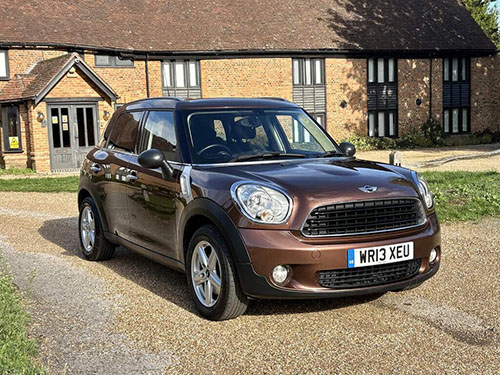
MINI - Clubman / Countryman
MINI
Clubman / Countryman
3-door, 5-door and convertible
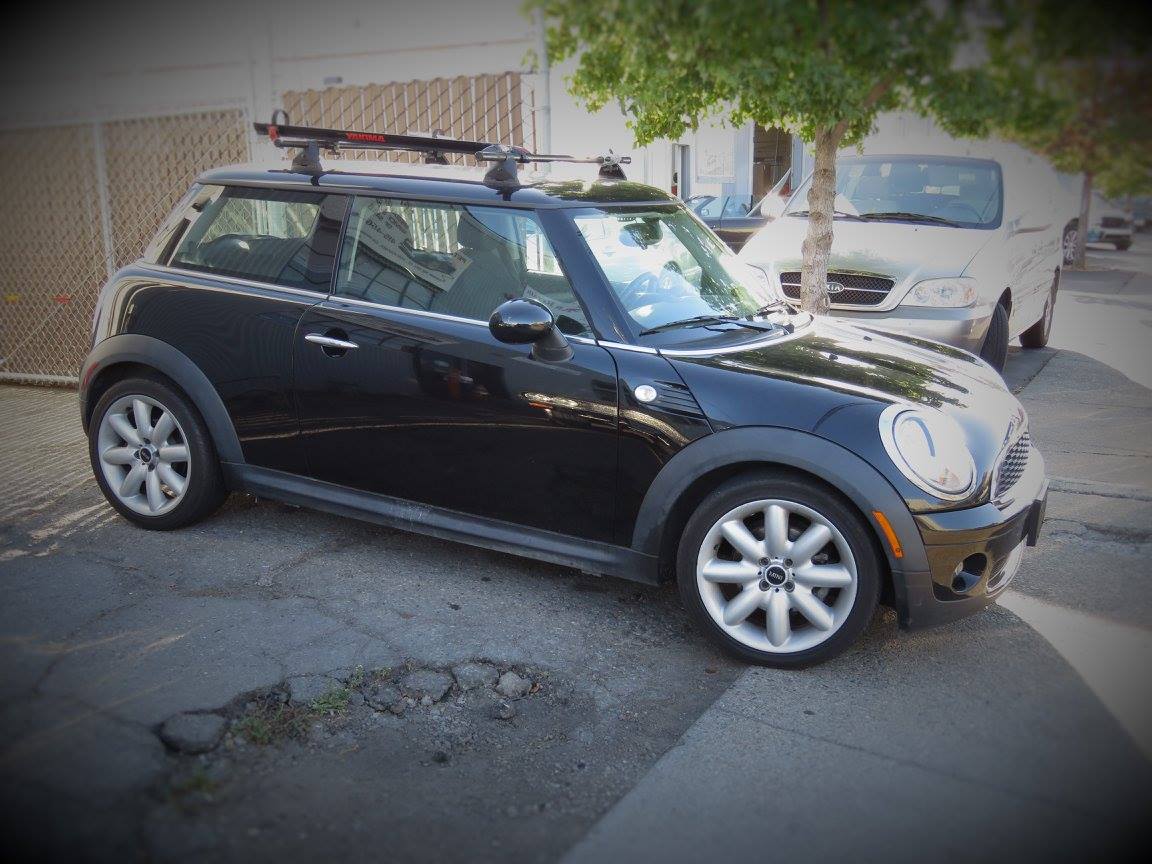
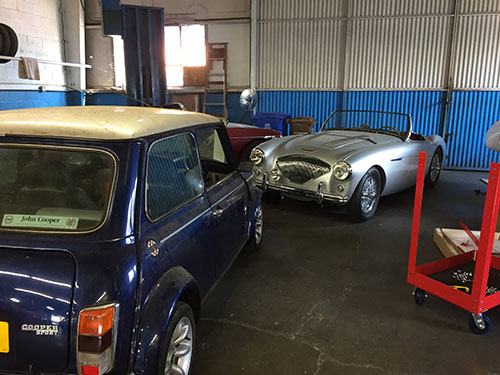
CONCERNS:
In Northern California, Ed Wright's British Car Repair
is amongst a very few top specialists.
We know these cars front-to-back and inside out.
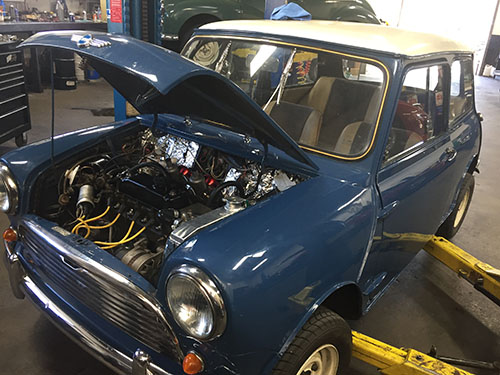
In many ways, the older the better. The original mini was made in very high volumes, but parts can be difficult to track.
Newer models are reliable and can be serviced by our knowledgeable experts with many parts on hand.
In Northern California, Ed Wright's British Car Repair
is amongst a very few top specialists.
We know these cars front-to-back and inside out.
In many ways, the older the better. The original mini was made in very high volumes, but parts can be difficult to track.
Newer models are reliable and can be serviced by our knowledgeable experts with many parts on hand.
For Mini Cooper vehicles, we offer a wide range of expert services encompassing the maintenance and repair needs of vintage through contemporary cars . We have specialized training and equipment required, and a long history of solving problems with older cars. We have a rich understanding through long association with minis.
We can handle anything you require, from routine maintenance to major repairs, overhauls, expedition outfitting, and custom work. Along with our extraordinary staff, we have the very best tools. We have full service documentation for every Mini product from the late 1950's to the present day. We pride ourselves on our extensive experience with Land Rover and serve all of Marin County and the San Francisco Bay Area, including Mill Valley, Sausalito, Tiburon and Novato
We can handle anything you require, from routine maintenance to major repairs, overhauls, expedition outfitting, and custom work. Along with our extraordinary staff, we have the very best tools. We have full service documentation for every Mini product from the late 1950's to the present day. We pride ourselves on our extensive experience with Land Rover and serve all of Marin County and the San Francisco Bay Area, including Mill Valley, Sausalito, Tiburon and Novato
• Working with tight-fitting spaces
• Unique engineering challenges
• Specialist diagnostic and repairs
• Unique transmission issues
• Timing chain tensioner issues
• Thermostat housing
• Clutch wear issues
• Unique engineering challenges
• Specialist diagnostic and repairs
• Unique transmission issues
• Timing chain tensioner issues
• Thermostat housing
• Clutch wear issues
• Refurbish, Repair, tune or rebuild an engine
• Full Mini Cooper performance diagnostics
• Suspension and rige optimization
• Air conditioning
• Oil leaks and gaskets
• Door lock and latch malfunctions
• Carbon Build up
• Full Mini Cooper performance diagnostics
• Suspension and rige optimization
• Air conditioning
• Oil leaks and gaskets
• Door lock and latch malfunctions
• Carbon Build up
1: Do I need a Specialist ?
We recommend that you Only have reputable Mini Cooper specialists take care of your vehicle. There are uprated components and unique settings involved. Don’t put your Mini in the hands of someone who does not fully understand the mechanics and special needs of this car. Your Mini maintenance should only be performed by people specially trained with the skills and knowledge to give your car expert attention and care.
2: How much does a Mini service cost?
The original mini was developed by Austin. It was designed to be simply uncomplicated and affordable transportation for average people. The modern Mini is fundamentally a British designed and built car, on a BMW drive train. It is well engineered and requires typical maintenance. Regular servicing is key.
A typical MINI service is focused on oil, filters and critical mechanical and safety inspections, and usually costs around $200–400, depending on engine size and oil type.
1. Replace engine oil and oil filter.Air filter replaced as part of service on most schedules.
2. Cabin (micro) filter normally replaced on schedule. Often included when due per MINI schedule, especially on diesel models.
3. Brake fluid change often included at 2 year or scheduled intervals.
4. Detailed inspection, often with wheels off to measure pad/disc condition.
5. Check of joints, bushes, shocks, gaiters; issues documented in detail.
6. Check torque of wheel nuts, balance and rim condition checks more commonly done.
7. Complete exhaust system inspection along full length of system including mounts and catalyst.
8. Formal checks of coolant strength, caps, and sometimes gearbox/diff where applicable.
9. Check all systems for electrical health and battery test more commonly included.Inspection of lines, hoses, undertrays, mounts and corrosion.
10. Road test, full written report and service book / digital record update.
A typical MINI service is focused on oil, filters and critical mechanical and safety inspections, and usually costs around $200–400, depending on engine size and oil type.
1. Replace engine oil and oil filter.Air filter replaced as part of service on most schedules.
2. Cabin (micro) filter normally replaced on schedule. Often included when due per MINI schedule, especially on diesel models.
3. Brake fluid change often included at 2 year or scheduled intervals.
4. Detailed inspection, often with wheels off to measure pad/disc condition.
5. Check of joints, bushes, shocks, gaiters; issues documented in detail.
6. Check torque of wheel nuts, balance and rim condition checks more commonly done.
7. Complete exhaust system inspection along full length of system including mounts and catalyst.
8. Formal checks of coolant strength, caps, and sometimes gearbox/diff where applicable.
9. Check all systems for electrical health and battery test more commonly included.Inspection of lines, hoses, undertrays, mounts and corrosion.
10. Road test, full written report and service book / digital record update.
3: What is scheduled Maintenance?
Regular tune-ups are an important part of your Mini maintenance. Schedule these at set time intervals between performances of maintenance. Mileage can vary and is not always the best indicator when a tune-up is needed. A combination of mileage, the type of use and time passage is best. Depending on the age of the car, 3- 5,000 miles is a considerable maintenance period, but if you only cover this in 6 months or more, it may be advisable to to take the car in for a check-up.
4: What documents do I need to keep?
Whenever you receive any type of Mini- Cooper maintenance, request a list of services performed on the car. Ask for the products used to do each of the services. The products should include brand names, specifications and other identifying information. Put the Mini maintenance records in the glove box or an other safe and clean place. If there is a problem with the vehicle, you will be glad to have these types of records at your fingertips.
5: Should I expect Free Diagnosis
We offer a preliminary inspection and Diagnosis. Some more complex issues may require considerable work to identify the problem. These will be discussed in advance, if we need to charge for them. Following the tips outlined here, along with those provided in your Land Rover owner’s manual will ensure that your Mini continues to runs well. If you need repair or maintenance work done on your vehicle in Marin County or the San Francisco Bay Area please consider us. We’re friendly, prompt, and offer fair prices that are far below the dealer's. Give us a call or drop us an email, we are here for you.
6: How should I winterize my Mini ?
In the early fall months, have your Mini Cooper winterized by a specialty shop like Ed. Wright’s British Car Repair. Winterizing reduces the wear on the engine during the colder months. Additionally, have the fluids changed and topped off at the end of winter before warmer spring and summer weather temperatures start. This type of maintenance keeps the Mini operating under optimum mechanical conditions.
7: What should I check myself?
Inspect your tires monthly for even wear-and-tear. Uneven wear on the tires can indicate the need to have the Mini's tires balanced and aligned. Avoid roads and parking lots with pot holes and speed bumps. Familiarize yourself with how to check your oil. It is a basic but vital component of a combustion engine and especially if you have an older car, should be checked from time to time. You can do this in a couple minutes when re-fueling. Note the color should be a light caramel brown. If it's low, or a dark color there may be an issue. If your oil needs topping up, you can ask for help at a service station. If you do it yourself, be sure not to over-fill. You can always give us a call if you are in doubt.
8: What are common issues with Mini's ?
1. FAILED ELECTRICAL POWER STEERING PUMPS
Electric power steering pumps can be prone to failure. If your power steering pump has to be replaced it is a good idea to check out the cooling fan and other related parts while the vehicle is being services, as access is a considerable cost in these small engine bays.
2. TRANSMISSION ISSUES - FLUID REPLACEMENTProblems with the automatic transmission come down to the manufacturers saying that their transmissions do not need fluid changes. This is a big problem because not changing the transmission fluid will cause it to fail early. Changing the transmission fluid every 30,000 to 40,000 miles will save thousands of dollars in repairs. The CVT transmissions installed before 2008 should have regular oil changes; however the 5 speed automatic transmissions used on most Minis are much more reliable.
3. RATTLING TIMING CHAINS
Timing chains can start rattling. This problem can be worse when the engine is idling. This is a fairly major repair, but do not ignore it or you could end up with some major problems. It seems like this issue is also related to not changing the transmission oil/fluid often enough.
4. WATER PUMP AND THERMOSTAT LEAKS
If your Mini Cooper has over 50,000 miles you should consider replacing the water pump and thermostat. This can save hours of labor if you replace them before finding a leak.
5. VARIABLE VALVE TIMING ISSUES
Performance issue can come up when the oil is not changed enough. The VVT requires a good flow of oil to operate the system. When the oil is not changed, sludge builds up and blocks the tiny passages.
6. MINI RADIATOR SUPPORTS
We suggest changing the oil to allow the detergent in the oil clean the oily supply passages. To prevent the problem, change the oil as soon as it gets dirty, even if it's after a couple of thousand miles. If the passages are not blocked completely this might solve the problem.
7 DAMAGED RADIATOR SUPPORTS
The front radiator support is made of plastic and it supports the radiator, fan, and condenser. It sits very low, and it doesn't take much to damage the support. Just a moderate impact on a high curb can cause a lot of damage. The lower coolant hose sits even lower and if this is hit it can also cause a lot of damage, so be sure to take care when parking your car.
8. CLUTCH FAILURE
Early clutch failures seem to be related mainly to hard use.
Electric power steering pumps can be prone to failure. If your power steering pump has to be replaced it is a good idea to check out the cooling fan and other related parts while the vehicle is being services, as access is a considerable cost in these small engine bays.
2. TRANSMISSION ISSUES - FLUID REPLACEMENTProblems with the automatic transmission come down to the manufacturers saying that their transmissions do not need fluid changes. This is a big problem because not changing the transmission fluid will cause it to fail early. Changing the transmission fluid every 30,000 to 40,000 miles will save thousands of dollars in repairs. The CVT transmissions installed before 2008 should have regular oil changes; however the 5 speed automatic transmissions used on most Minis are much more reliable.
3. RATTLING TIMING CHAINS
Timing chains can start rattling. This problem can be worse when the engine is idling. This is a fairly major repair, but do not ignore it or you could end up with some major problems. It seems like this issue is also related to not changing the transmission oil/fluid often enough.
4. WATER PUMP AND THERMOSTAT LEAKS
If your Mini Cooper has over 50,000 miles you should consider replacing the water pump and thermostat. This can save hours of labor if you replace them before finding a leak.
5. VARIABLE VALVE TIMING ISSUES
Performance issue can come up when the oil is not changed enough. The VVT requires a good flow of oil to operate the system. When the oil is not changed, sludge builds up and blocks the tiny passages.
6. MINI RADIATOR SUPPORTS
We suggest changing the oil to allow the detergent in the oil clean the oily supply passages. To prevent the problem, change the oil as soon as it gets dirty, even if it's after a couple of thousand miles. If the passages are not blocked completely this might solve the problem.
7 DAMAGED RADIATOR SUPPORTS
The front radiator support is made of plastic and it supports the radiator, fan, and condenser. It sits very low, and it doesn't take much to damage the support. Just a moderate impact on a high curb can cause a lot of damage. The lower coolant hose sits even lower and if this is hit it can also cause a lot of damage, so be sure to take care when parking your car.
8. CLUTCH FAILURE
Early clutch failures seem to be related mainly to hard use.
We have broad experience with most makes of British automobile.
Particularly, with the marques listed below, our experience runs deep, in many cases where we have factory training, certifications and specialized equipment required.
Click on your brand of auto below for more information
Particularly, with the marques listed below, our experience runs deep, in many cases where we have factory training, certifications and specialized equipment required.
Click on your brand of auto below for more information